
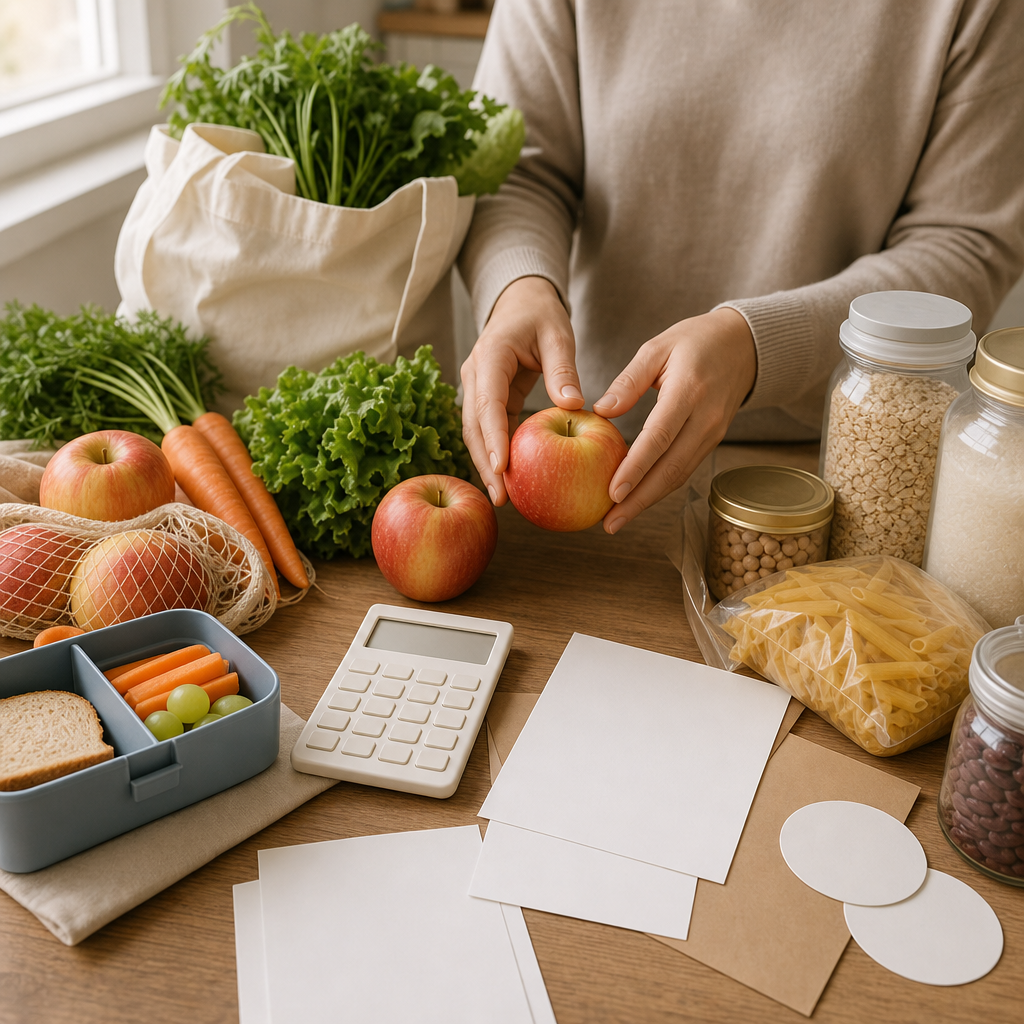
A grocery budget reset can help when your food spending feels out of control, even if you are already trying to be careful.
That is the frustrating part for many families right now. You may not be buying anything fancy. You may already cook at home. You may already compare prices. And somehow, the grocery total still feels higher than it should.
This guide is not about extreme couponing or feeding everyone on unrealistic numbers. It is a calm reset you can do this week so your grocery budget feels more predictable again.
Why Grocery Spending Feels So Hard Right Now
Food prices are still a real pressure point for families. The latest BLS CPI page available today shows March 2026 as the current CPI release, with April data scheduled for May 12. USDA’s 2026 Food Price Outlook also expects food prices to keep rising this year, even if the pace is slower than the worst inflation years.
That matters because families do not experience food inflation as a chart. They experience it as a cart that used to cost less.
A grocery budget reset helps because it gives you a way to stop guessing. Instead of hoping the total is lower next time, you build a simple system around what your family actually eats.
Step 1: Find Your Real Grocery Number
Before cutting anything, look at the last four weeks of grocery spending.
Include:
- supermarkets
- warehouse clubs
- quick grocery top-ups
- convenience store food
- delivery grocery orders
- household items if they are usually bought with food
Do not judge the number yet. Just find it.
Then divide by four. That is your current weekly baseline.
If the number is higher than expected, that is useful information. It means the problem is visible now, which makes it easier to fix.
Step 2: Separate Food From “Grocery Store Extras”
A lot of families think they have a food problem when they really have a mixed-cart problem.
The grocery store might also include:
- cleaning supplies
- paper towels
- toiletries
- pet food
- school snacks
- birthday cards
- seasonal items
- last-minute treats
Those things count as real spending, but they can distort the food budget.
For the next month, try separating your grocery budget into two lines:
- food
- household extras
This makes the food number clearer and stops you from feeling like dinner is the only problem.
Step 3: Pick Three “Default Dinners”
The fastest way to lower grocery chaos is to reduce decision fatigue.
Choose three dinners your family will eat almost every week. They should be simple, flexible, and built around affordable ingredients.
Good default dinners include:
- tacos or rice bowls
- pasta with vegetables and protein
- breakfast-for-dinner
- soup and toast
- baked potatoes with toppings
- stir-fry with rice
- quesadillas and fruit
- sheet-pan chicken and vegetables
These meals do not have to be exciting every time. Their job is to save the week when everyone is tired.
Once you have default dinners, your grocery list gets easier because the same staples show up again and again.
Step 4: Use a “Shop the Kitchen First” List
Before writing a grocery list, check what you already have.
Look for:
- half-used pasta or rice
- frozen vegetables
- meat or leftovers in the freezer
- canned beans or tomatoes
- lunchbox snacks
- produce that needs using
- sauces or condiments that can shape a meal
Then build two or three meals from those items before buying more.
This is one of the simplest ways to reduce waste. It also helps kids learn that food at home is part of the plan, not the thing everyone forgets about until it expires.
Step 5: Set a Weekly Top-Up Rule
Many grocery budgets leak through small extra trips.
A $22 top-up does not feel like much. But three small trips a week can quietly add $60 or more before you notice.
Try this rule:
One main shop, one planned top-up.
The top-up is for fresh items only, such as milk, fruit, bread, or salad. It is not a second chance to wander the whole store.
If your family needs more flexibility, that is fine. The point is not perfection. The point is making the extra trips visible.
Step 6: Create a “Too Tired to Cook” Backup
Takeout often happens because the plan was too ambitious for real life.
Build a backup meal into the grocery list every week.
It could be:
- frozen pizza and salad
- eggs and toast
- pasta and jar sauce
- grilled cheese and soup
- rotisserie chicken with rice
- freezer dumplings and vegetables
This is not a failure meal. It is a budget protection meal.
If it prevents one unplanned takeout order, it has done its job.
Step 7: Let Kids Help Reduce Waste
Kids can help the grocery budget without turning it into a lecture.
Try asking:
- Which fruit will you actually eat this week?
- Which school snack came back home uneaten?
- What dinner should we repeat?
- What should we stop buying for now?
This helps avoid buying food based on what you wish everyone ate.
A family grocery budget works better when it matches the real household, not an ideal version of it.
A Simple Weekly Grocery Reset Routine
Use this 15-minute routine once a week:
- 1. Check the fridge, freezer, and pantry.
- 2. Pick three default dinners.
- 3. Add one backup meal.
- 4. Choose lunches and snacks kids will actually eat.
- 5. Write the list by store section.
- 6. Decide the weekly top-up day.
- 7. Track the final total.
Do it for four weeks before changing everything again. The first goal is awareness. The second goal is consistency. Savings usually come after that.
Final Thoughts
A grocery budget reset is not about making family food joyless. It is about making the weekly shop feel less surprising.
Start with your real number. Build a few default meals. Shop your kitchen first. Protect yourself from tired-night takeout.
Small changes repeated weekly are what make the grocery budget feel manageable again.
For related help, read our guides on money-saving tips for families, easy money habits for busy parents, and how to save money as a family.